







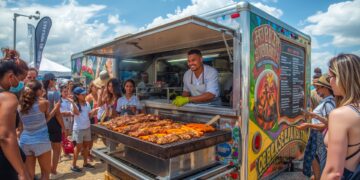






Have you ever watched a food truck pull into an event, and noticed how the entire crowd suddenly perks up? That instant energy—equal parts aroma, movement, and spectacle—is the central reason mobile kitchens are reshaping how Canadians feed guests. BBQ Catering Toronto From corporate lawns to backyard weddings, food trucks are no longer an experimental add-on; they’re a core strategy for hosts who want memorable food, efficient service, and a story to tell.
Introduction
Imagine your next event without the hum of chafing dishes and the distant clatter of staff carrying platters. Instead picture compact kitchens on wheels, chefs finishing orders to a soundtrack of conversation, and lines that feel social rather than bureaucratic. This shift—toward mobile, experiential catering—responds to modern tastes, operational realities, and economic pressure. BBQ Catering Toronto In this article, you’ll learn the forces driving the revolution, practical planning steps, financial trade-offs, real Canadian case examples, and the emerging trends that will define catering through 2030. Read on to figure out whether a fleet of trucks should be on your venue map.
The Structural Forces Behind the Shift
Changing Guest Expectations
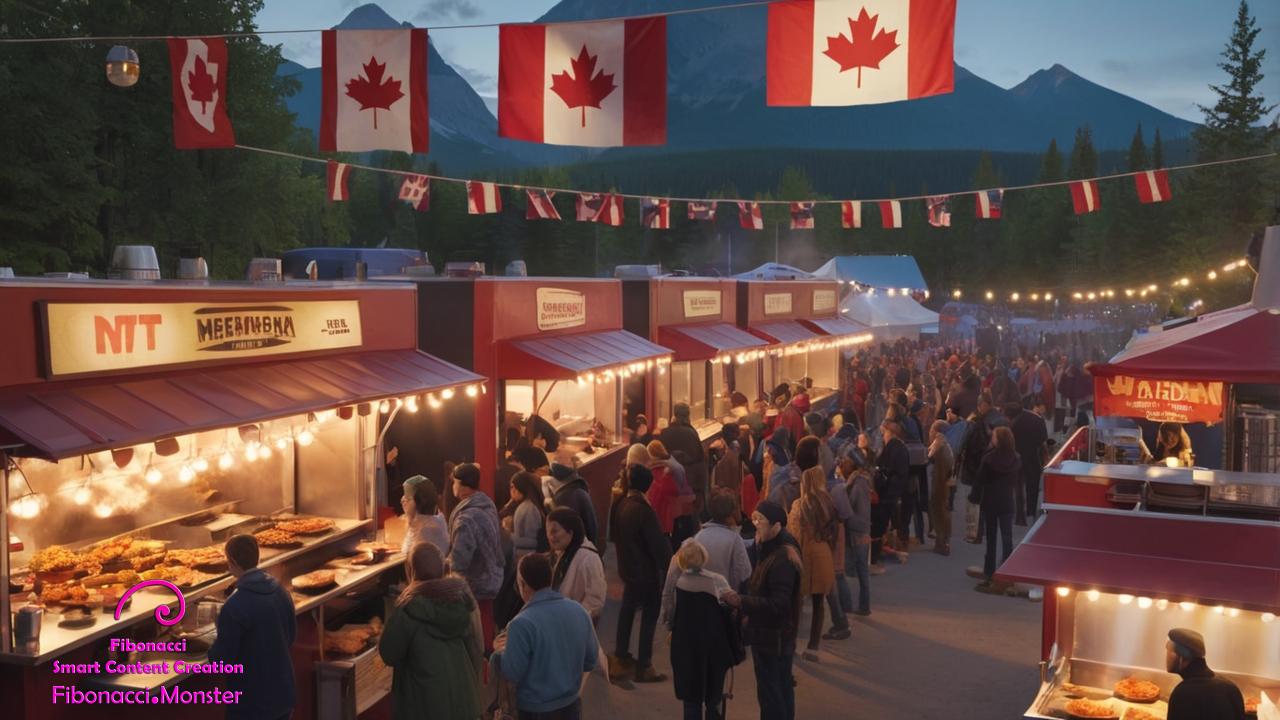
Guests today are more curious and visually literate than ever. They’ve eaten at pop-ups, scrolled food videos, and sample-tested global flavors. Catering that merely feeds is no longer enough; it must entertain, surprise, and deliver a shareable moment. Food trucks do this naturally. The preparation is visible, portions are often customizable, and menus can be bold without being precious. For hosts, that means food stops being a background necessity and becomes an attraction that helps shape the event’s personality.
Operational Realities for Planners
Event planners operate on margins and timelines. Traditional caterers can struggle with strict venue windows, long setup times, and large staff rosters that add cost. Mobile kitchens reduce the load: BBQ Catering Toronto they arrive with their own equipment, typically require less on-site infrastructure, and can scale labor more efficiently. That helps planners minimize logistical friction and better control the overall budget while still delivering high-quality cuisine.
Economic Signals
Beyond aesthetic and logistical reasons, the food truck movement reflects economic shifts. Lower capital needs to enter the mobile market (versus opening a full-service restaurant) encourage culinary entrepreneurs to experiment. BBQ Catering Toronto In Canada, market estimates have shown steady growth in food-truck revenue and interest from investors. The business model—lower rent, modular menus, and strong day-of-event margins—appeals to operators who can reach customers directly where events happen.
Why Food Trucks Outperform in Many Event Scenarios
Built-In Infrastructure and Agility
A truck is a kitchen on wheels, complete with refrigeration, cooking surfaces, storage, and serving windows. That self-sufficiency eliminates many moving parts of traditional catering. An event that might require a rented grill, a portable heating station, and six support staff can instead be serviced by a single mobile team. That agility creates time savings during setup and teardown and often translates into lower overhead for the client.
Sensory Theater That Drives Engagement
Food trucks do more than cook; they perform. Sound, sight, and smell converge at the truck window—the hiss of a griddle, the swirl of steam, the pop of spices. Those sensory cues accelerate guest engagement and make the meal feel like a participatory act. For event hosts, that creates organic crowd-flow, conversational hubs, and an elevated memory imprint; the food truck becomes part of the event’s choreography, not merely a service point.
Menu Experimentation Without Overcommitment
Because the operational footprint is compact, food trucks can test inventive or niche menus with relatively low financial risk. They can rotate seasonal ingredients, offer regional specialties, or focus on a single, perfected dish. This flexibility benefits event planners who want bespoke or theme-driven food without forcing guests into a uniformly conservative menu.
Practical Considerations: What Planners Must Know
Permits, Regulations, and Health Compliance
One practical reality: Canada’s regulatory framework varies by province and municipality. Food trucks must satisfy local health inspections, fire safety requirements, and municipal business licensing. The good news is that experienced operators know the route: they carry permits, certificates, and often assist with temporary or special-event permissions. As a planner, insist on seeing current health inspection documentation and a certificate of insurance well before the event date.
Site Suitability and Logistics
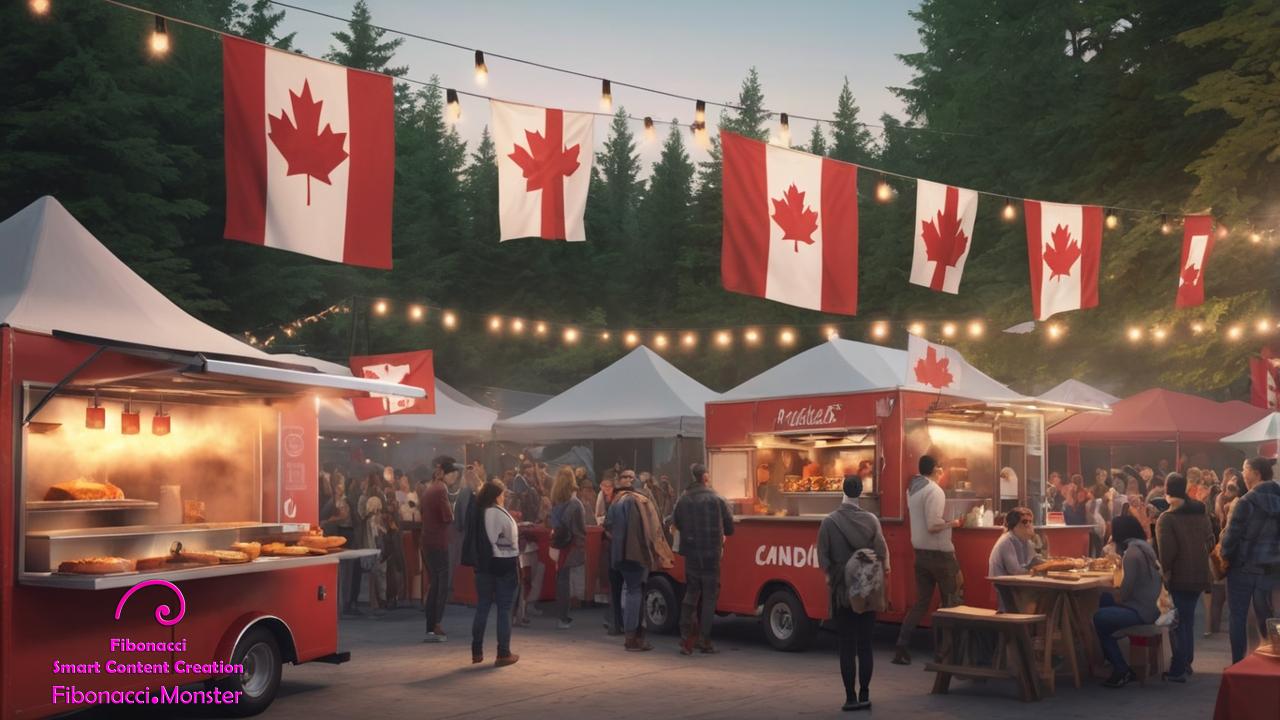
Not every venue is truck-friendly. Narrow lanes, low gates, or fragile grounds can be deal-breakers. Before signing a contract, organize a site walk with the truck operator. Confirm clearance dimensions, load-in paths, generator placement if necessary, water access, and where waste will be staged. If a direct truck approach isn’t possible, ask vendors about remote prep with on-site finish: a practical compromise many vendors can execute with minimal fuss.
Service Models and Flow Management
Choices about how guests receive food matter. Options include ordering at the window, buffet-style plating, staff-served trays, or hybrid systems. Each affects wait times, guest mobility, and staffing needs. For instance, ordering at the window offers drama but risks bottlenecks; staff-served trays are more controlled but require additional labor. Plan for queue management—use signage, staggered service windows, or multiple trucks to keep guests moving and content.
Costs, Budgets, and Value
Understanding cost drivers ensures you don’t confuse lower labor with lower quality. Typical truck catering ranges in Canada sit between CAD 10 and CAD 25 per head, depending on menu complexity, protein choices, and service style. However, the final invoice often includes travel fees, generator rental, overtime, and waste handling. Ask for line-item quotes and compare them against traditional catering quotes that include staffing, china, and serviceware. In many mid-sized events, food trucks deliver excellent value because they reduce on-site labor and equipment rental.
Hidden Costs to Watch
Some pitfalls: minimum-spend clauses, extra-hour fees, and charges for difficult access. Also, dessert or beverage service may be priced separately, and sustainable packaging often costs more. Clarify expectations about cleanup and waste disposal—some vendors include it, others don’t. Negotiating these items upfront keeps your budget predictable and protects you from surprises on the final invoice.
Real Canadian Case Studies
The following examples illustrate how food trucks have been used to reframe events in Canada. Names and exact details are lightly anonymized to protect privacy, but each scenario is rooted in recurring real-life patterns across Canadian markets.
Case Study: Tech Company Picnic (Waterloo)
A growing software startup wanted to break from boxed lunches and create a day that felt intentionally social. They hired two trucks—one offering grain bowls with multiple protein choices, the other an artisanal dessert truck. The vendors coordinated times so the main truck focused on savory plates while the dessert truck opened after speeches. The result was an event where food facilitated lingering, team conversations, and positive feedback. Cost per head landed around CAD 18, and the event was deemed a success because it combined better food with lower per-head labor than a comparable plated service would have required.
Case Study: Vineyard Wedding (Okanagan / Kelowna Area)
A couple opted for a single gourmet taco truck at their outdoor wedding. Challenges included uneven terrain and lack of direct truck access; the operator adapted by staging equipment on a gravel drive and using compact generators. Service was plated and staggered, with servers completing the flow to limit lines. Guests loved the novelty, and the truck became an informal photo backdrop. The vendors’ ability to problem-solve onsite turned a potential logistical issue into a defining feature.
Operational Tips and Best Practices
Start Early
Top mobile vendors fill calendars months in advance, particularly during wedding season and summer festivals. Begin outreach 6–12 months before your event to secure the best matches. Early contact also gives ample time for site assessments and permit coordination, which are frequently the most time-consuming parts of the process.
Write Detailed Contracts
Contracts should cover guest counts, overtime rates, cancellation policies, setup windows, and details about cleanup and waste management. Attach a staging map and a contact list for day-of communication. A well-drafted contract reduces surprises and clarifies responsibility for permits and insurance on public or complicated sites.
Plan for Contingencies
Weather, mechanical issues, and sudden changes in guest numbers happen. Ask vendors about their backup plans: do they have a secondary truck, extra staff, or a rapid alternate menu that scales? Will they provide a generator if power fails? Reliable vendors will have practiced these contingencies and can present them clearly.
The Future: Trends Shaping Mobile Catering
Digital Integration
Technology is changing the guest experience. QR-based menus, pre-order apps, and contactless payment reduce wait times and provide useful data to operators. Vendors increasingly use lightweight POS systems that integrate with event scheduling software, enabling smoother inventory management and reporting for planners who want clarity after the event.
Sustainability as Standard
Environmental expectations are rising. Trucks are adopting compostable packaging, local sourcing, and efficient waste management to align with host sustainability goals. Some operators even donate uncompromised surplus food to local charities—reducing waste and improving community impact.
Hybrid Models
Expect more blending of models: ghost kitchens preparing large-format items for multiple trucks, trucks paired with plated catering teams for formal events, and modular fleets that offer themed culinary experiences. These hybrids address scale limits while preserving the mobile flourish clients want.
Is a Food Truck Right for Your Event?
Food trucks are an excellent choice for most outdoor, casual-to-semi-formal events and for planners who value guest experience and budget efficiency. They can be adapted for weddings, corporate events, festivals, and private celebrations. However, if your event demands strict timing, many plated courses, or a formal dining rhythm, consider a hybrid approach where trucks provide interactive stations while a seated caterer manages the main courses.
Conclusion & Call to Action
Food trucks are not merely a culinary trend—they represent a structural change in how Canadians eat at events. They deliver sensory appeal, operational agility, and often better value at mid-scale event sizes. But the magic depends on planning: selecting experienced vendors, confirming logistical feasibility, and writing clear contracts. BBQ Catering Toronto Do the groundwork and you’ll transform the meal into an experience your guests remember.
If you’re planning an event and want a tailored vendor shortlist, or a printable site-walk checklist for your city, tell me the date, location, and guest count and I’ll prepare a customized pack you can share with planners or venue managers. Ready to start?
Written by a senior-level content strategist with hands-on event experience and deep familiarity with Canadian catering markets. For personalized help — vendor comparisons, contract templates, or menu strategy — reply with your event details and I’ll put together a professional kit.