










An Attack on Jews in Australia and the Early Launch of the Blame War Against Iran
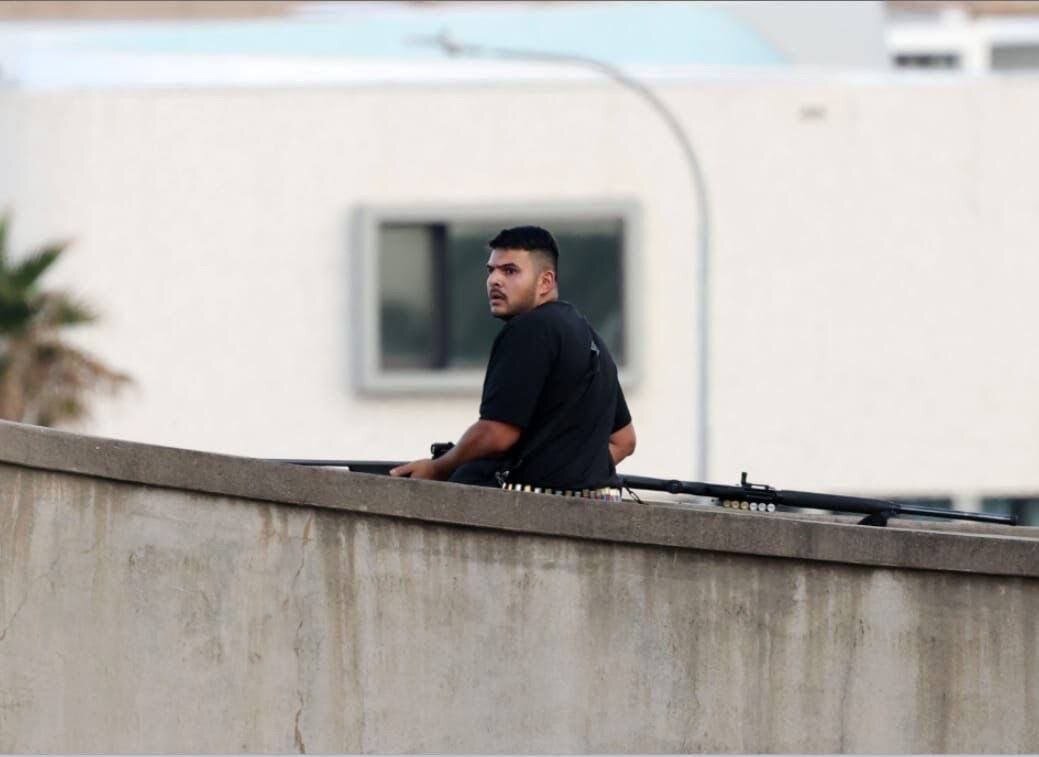
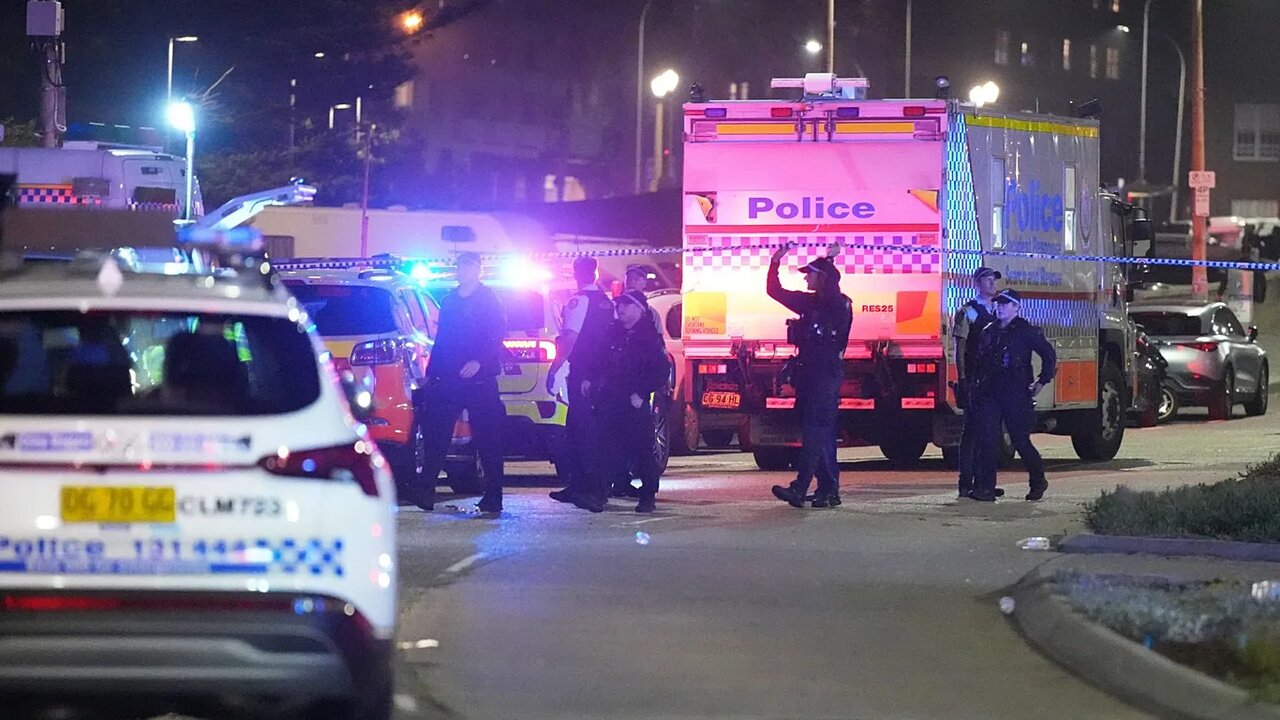
Reyhane Hejazi – According to initial reports, more than 60 people were killed or injured. Australian police described the incident as a “targeted terrorist attack.” At this stage, however, neither the full identities of the perpetrators, nor any possible network behind them, nor the ultimate motive of the attack has been established.
Australian authorities have said that one attacker was killed and another critically wounded. Security officials also reported the discovery of a suspicious vehicle containing improvised explosive materials.
Yet despite the fact that only a few hours have passed since the attack—and that the case remains at the very earliest and most preliminary stage of investigation—Israeli media and officials have already begun framing the incident within a specific narrative.
The newspaper Yedioth Ahronoth reported that Israel had warned Australia in recent weeks that Iran was allegedly building infrastructure to attack Jewish targets. According to some media outlets, Israel’s Ministry of Public Security went even further, explicitly claiming that “Iran was behind this terrorist attack.”
A senior Israeli security official told the website of the Israeli daily Israel Hayom that “in recent months, Iran and its proxy forces, such as Hezbollah and Hamas, have increased their activities to organize attacks against Israeli and Jewish targets worldwide,” adding: “There is no doubt that the direction and infrastructure of this attack originated in Tehran.”
The same source added that this allegedly included Australia, noting that following specific intelligence warnings, the Canberra government had taken limited measures against the Iranian embassy, including the expulsion of Iran’s ambassador. “There is no doubt,” the source reiterated, “that the orientation and infrastructure of this attack stemmed from Tehran.”
This is while Australian officials have so far refrained from attributing responsibility for the attack to any country or government, stressing that the investigation is “complex and multi-layered.”
Israeli Foreign Minister Gideon Sa’ar described the incident as the result of an “antisemitic rampage” in Australia, saying that the Canberra government had received the necessary warnings. Prime Minister Benjamin Netanyahu, for his part, accused Australian government policies of “fueling hatred against Jews,” stating that “antisemitism is a cancer that grows in the silence of leaders.”
These claims are being made despite the fact that it remains unclear what kind of structure, if any, the attackers had, how organized the operation was, or whether the incident involved a transnational network or merely individual actors.

This comes against the backdrop of recent Australian accusations against Iran over an alleged plot targeting a synagogue, and the diplomatic tensions that followed between the two countries.
Initial reports suggest that the attackers chanted the slogan “Globalize the Intifada,” and that individuals of several nationalities—including Pakistanis—were allegedly involved.
While this slogan carries a heavy ideological charge, in security analysis it does not necessarily imply foreign command or state direction. Experience from similar attacks in Europe shows that such rhetoric can just as easily be the product of individual radicalization or decentralized networks, rather than evidence of a classic, state-led security operation.
The Israeli narrative, however, tends to erase this distinction. In the post–October 7 climate, Iran has increasingly become the default suspect in many security incidents involving Jewish targets worldwide.
Why, then, is the finger of blame so quickly pointed at Iran—even before investigations are completed?
The answer is less about security and more about strategy and narrative construction.
At a time when Israel is facing legal pressure, international criticism, and strategic deadlock in Gaza and Lebanon, framing every anti-Jewish incident globally as an “Iran-linked state threat” serves several simultaneous purposes:
- Reconstructing Israel’s victimhood in Western public opinion
- Shifting the arena of confrontation from Gaza to the “global security of Jews”
- And, most importantly, internationalizing the Iran file—while mentally preparing global audiences for the idea of a potential attack on Iran under the banner of “preemptive defense”
This is not just about Australia or this specific attack. What matters is the pattern that is once again emerging: any attack against Jewish targets outside the Middle East is swiftly connected to Iran, even before investigations are concluded.
This is the most sensitive point of all. Israel’s past handling of similar incidents shows that media linkage between anti-Jewish attacks and Iran is often established well before evidence is available—a linkage that functions less as an evidentiary claim and more as a political instrument.
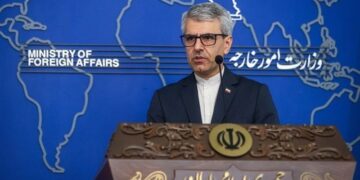
In these early hours, Iran has itself condemned the Sydney attack. In a statement, Iran’s Foreign Ministry spokesperson wrote: “We condemn the violent attack in Sydney, Australia. Terrorism and the killing of human beings are unacceptable and condemned wherever they occur.”
The Sydney attack is a human tragedy. But it is also a critical test: the real challenge lies in recognizing and resisting the process of narrative construction—one that seeks to fold a bloody incident in Australia into the broader geopolitical conflict of the Middle East.
An Attack on Jews in Australia and the Early Launch of the Blame War Against Iran
Fibonacci Ai